Facial Recognition Controversy at Notting Hill Carnival Deepens
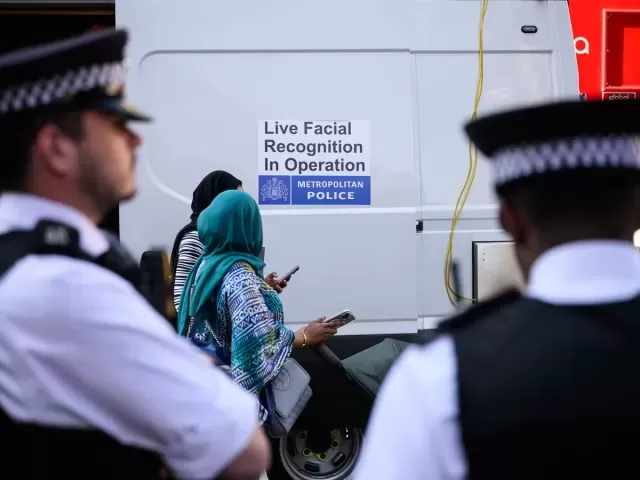
The head of the Metropolitan Police has responded to criticism surrounding the planned deployment of live facial recognition (LFR) technology at the upcoming Notting Hill Carnival. Despite concerns about potential racial bias and a pending legal challenge, Commissioner Mark Rowley asserted that the technology would be implemented fairly.
Eleven civil rights and anti-racism organizations previously urged the Met to abandon the use of LFR at the event, a prominent celebration of Afro-Caribbean culture. These groups, including The Runnymede Trust, Liberty, Big Brother Watch, Race on the Agenda, and Human Rights Watch, expressed fear that the technology would amplify existing concerns about overreach by law enforcement and discriminatory policing. They argued that a lack of clear legal guidelines has allowed the police to utilize the technology in a way that may disproportionately impact minority groups and women.
The police force announced plans last month to strategically position camera systems at entrances and exits to the two-day festival in West London, which attracts an estimated two million attendees.
In a written response to the aforementioned organizations, Rowley conceded that past implementations of facial recognition at the carnival, dating back to 2016 and 2017, damaged public trust. Those earlier systems produced a significant number of false positives, identifying 102 individuals as potential suspects incorrectly, ultimately leading to no arrests.
"Significant strides have been made since then," Rowley stated. "The current algorithm is much improved, having undergone independent testing and verification, and now meets a much higher standard of accuracy." He emphasized that the technology's focus would be on identifying a "small segment" of individuals responsible for serious offenses, including violence and sexual crimes.
Citing statistics from the 2024 event, Rowley noted 349 arrests for serious crimes, including homicide, rape, weapons possession, and other violent and sexual offenses. He stated, "These offenses pose a risk to the safety of the public and those wishing to enjoy the carnival peacefully. The use of LFR is one element of a larger strategy to locate, deter, and disrupt those who pose such risks."
The Met's plans have also drawn criticism because of a recent High Court challenge brought by Shaun Thompson, an anti-knife crime activist who was mistakenly identified as a criminal by LFR, detained, and asked for his fingerprints.
While Rowley's communication didn't specifically mention Thompson's situation, it pushed back against assertions that the police are operating without proper legal oversight. Rowley claimed that protections are provided by the Equality Act of 2010, which mandates that public organizations work to prevent discrimination. He added that the European Convention on Human Rights, and laws regarding data protection, also apply to the employment of LFR systems.
Rebecca Vincent, interim director of the civil liberties organization Big Brother Watch, criticized Rowley's defense. "Why the urgency to escalate the deployment of this intrusive technology, especially considering the absence of specific legislation, the lack of a government framework that was pledged by the Home Secretary, and a pending critical legal review? Policing depends on public consent, yet no one has agreed to this, particularly not those participating in this cultural celebration," Vincent said. "We all support the removal of criminals from our streets, but transforming the carnival into a mass police surveillance operation is not the appropriate solution."