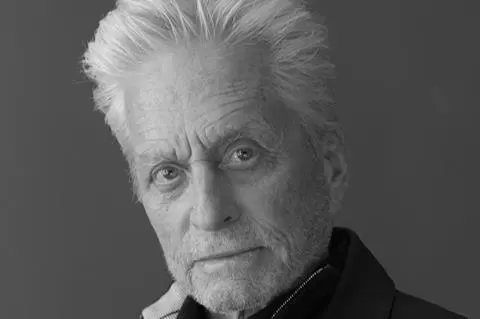
Anthony Hopkins: Welsh Boy to Acting Legend
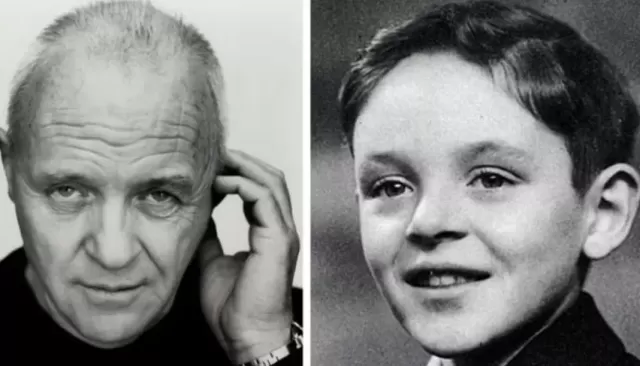
Anthony Hopkins's journey from a vulnerable Welsh boy to a global acting legend is a captivating narrative of talent, resilience, and the profound impact of art. His portrayal of Hannibal Lecter in "The Silence of the Lambs" remains an iconic moment in cinema history, a masterclass in chilling presence that transcended the screen. Hopkins himself credits this unforgettable performance to a unique blend of influences, drawing inspiration from Bela Lugosi's Dracula, the chilling recollections of Stalin by his daughter, and the exacting tutelage of his Rada instructor, Christopher Fettes. This powerful character also touched upon a deeper personal chord, resonating with the actor's own complex relationship with his estranged daughter.
From Port Talbot to Global Stardom
Born in Port Talbot, Wales, Hopkins's early life was marked by a sense of isolation. He describes himself as a bewildered and lonely child, the son of Richard Arthur Hopkins, a baker and a man of quiet strength. His father, a man who eschewed emotional displays and harbored a deep skepticism towards religious hypocrisy, nonetheless possessed a hidden romantic streak. The family's financial struggles often necessitated reliance on wealthier relatives, a situation that sparked considerable resentment in his father, as vividly recalled in the memoir.
The Power of Poetry and a Twisting Path
Hopkins's academic journey was far from stellar, but a pivotal moment arrived during an English lesson where he was tasked with reciting John Masefield's "The West Wind." This performance ignited a spark, revealing a powerful voice and stunning his classmates and teacher. Hopkins himself asserts that poetry, and the discipline of memorizing it, was a primary catalyst for his eventual success. This burgeoning passion, coupled with his involvement in the YMCA drama club, set him on an unexpected trajectory. Against all odds and to his parents' astonishment, he transitioned from a perceived "no-hoper" to sharing the stage with the legendary Laurence Olivier at the Old Vic within a decade. While the path was largely self-forged, the availability of grants for drama school provided a crucial stepping stone for working-class aspiring actors. The profound impact of his achievements was evident in his father's emotional reaction to hearing the Yorick speech from "Hamlet."
Stage, Screen, and a Personal Reckoning
Known for his passionate and sometimes tempestuous nature, Hopkins once famously left the National Theatre company in a moment of pique, much to Olivier's dismay. However, this seemingly impulsive decision led to fortunate opportunities, including a significant television role in Leon Uris's "QB VII." This, in turn, opened doors to acclaimed film work, such as his role in David Lynch's "The Elephant Man," solidifying his preference for a thriving screen career. A critical turning point in his personal life came in 1975 when he overcame a significant struggle with alcoholism, a victory that undoubtedly contributed to his ability to deliver enduring performances throughout his middle age, including his Oscar-winning turn as Lecter, the nuanced butler Stevens in "The Remains of the Day," and his second Oscar-winning role as an elderly man with dementia in "The Father."
The Enduring Persona
As his memoir progresses, Hopkins's persona becomes more carefully curated, with some anecdotal accounts failing to fully resonate. One such instance involves a lunch with his "Nixon" co-star Paul Sorvino, who sought to offer feedback on his portrayal of the former president. Hopkins appears to have dismissed Sorvino's concerns, aligning with director Oliver Stone's perspective, leading to questions about whether this was a missed opportunity for genuine artistic learning.
Throughout his recollections, Hopkins projects the image of a grounded, no-nonsense professional who emphasizes punctuality, respect for crew, and a get-it-done attitude. This stoic demeanor is juxtaposed with a revealing anecdote of him confronting an abusive director, demanding an apology and issuing a stark warning: "Apologise to her! And learn some manners. You ever do that again in front of me, I'll change the shape of your face!" This incident suggests that while he may have conquered his demons with alcohol, a certain inherent belligerence may persist. A true student of Shakespeare, one might recall Kent's declaration in "King Lear": "He cannot flatter, he! An honest mind and plain – he must speak truth!"
A Legacy of Words
Hopkins concludes his memoir with an extensive appendix featuring his favorite poems. While this might seem an extravagant addition, it underscores the profound connection he feels to these works. It is the transcendent power of poetry and the rigorous discipline of memorization that he ultimately credits as foundational to his remarkable success.